
Hermès Quota Bag Spending Ratio Strategy for 2026
Market Intelligence: Engineering Your Boutique Profile for Maximum Allocation
Securing a premier retail allocation requires executing a precise Hermès quota bag spending ratio strategy for 2026. The era of walking into a boutique, buying a scarf, and being magically escorted to a private room is over. Today, the boutique ecosystem is a highly calculated, data-driven environment where your Sales Associate (SA) functions essentially as a portfolio manager. They allocate extremely scarce, highly liquid assets—Birkins and Kellys—only to clients who demonstrate verifiable profitability to the boutique across high-margin departments. If you fail to understand the mathematics of this retail friction, you will bleed capital on unwanted items while your desired bag appreciates further out of reach on a resale platform. In this analysis, we will demystify the exact spending thresholds required this year, identify which departments actually trigger allocations, and outline an acquisition strategy that maximizes your ultimate price-to-resale ratio by minimizing wasted retail spend.
1.5:1 to 2.5:1
Approximate 2026 Spend Target
Zero
Weight Given to Leather Goods
High
Fine Jewelry SA Commission
The Foundation: Defining the Spend Ratio
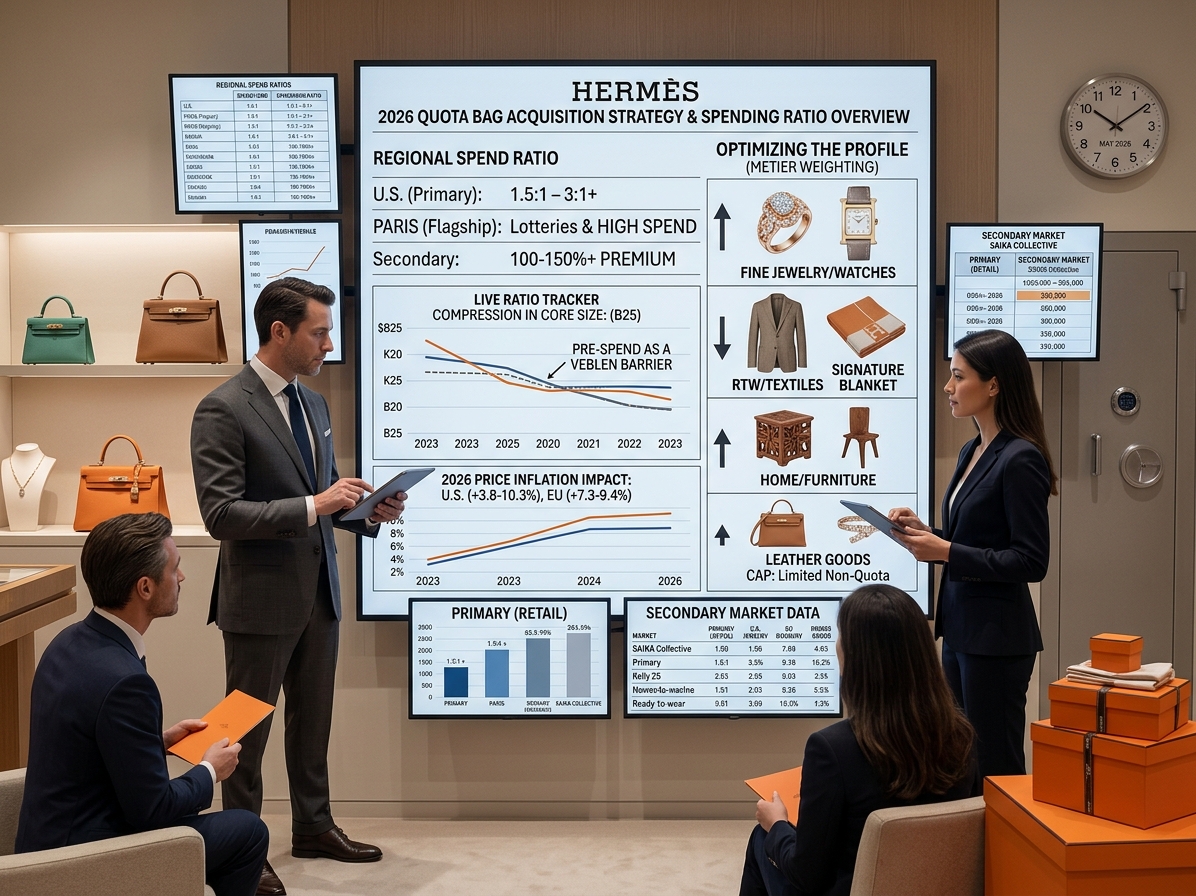
Before deploying capital, investors must understand the core mechanic governing access to Hermès’ Iconic Collections. The wait list is an informal fiction; it does not exist as a chronological queue. Instead, access is determined by your boutique relationship and, strictly speaking, your spend ratio. This metric is the ratio of non-quota purchases you make relative to the retail price of the quota bag you wish to acquire.
For example, if the retail price of a Birkin 30 in Togo leather is approximately $11,500, a 2:1 spend ratio dictates that you must purchase $23,000 worth of homeware, ready-to-wear, jewelry, or shoes before your SA can successfully advocate for your allocation with the boutique director. The spend ratio is the artificial barrier that generates the massive price delta seen on the secondary market. A buyer on Vestiaire Collective or The Real Real is not just paying for the bag; they are paying a premium to entirely bypass the $23,000 "shadow cost" you incurred at the boutique.
In 2026, the baseline ratio has tightened. While in smaller markets or during softer economic quarters a 1:1 ratio was occasionally possible, competitive flagship boutiques in major metropolitan areas now routinely require a minimum 1.5:1 to 2.5:1 spend history for highly coveted assets like a Kelly 25 Sellier. If your goal is to secure a Hermès Special Service (HSS) allocation, expect that required ratio to vault to 3:1 or higher.
Department Weighting: Not All Spend is Equal
The most common failure point for new collectors, as we outline in our wish list strategy for new clients, is assuming all dollars spent at Hermès are weighted equally by the SA. They are not. The boutique relationship is heavily influenced by the commission structure and the store’s internal departmental targets.
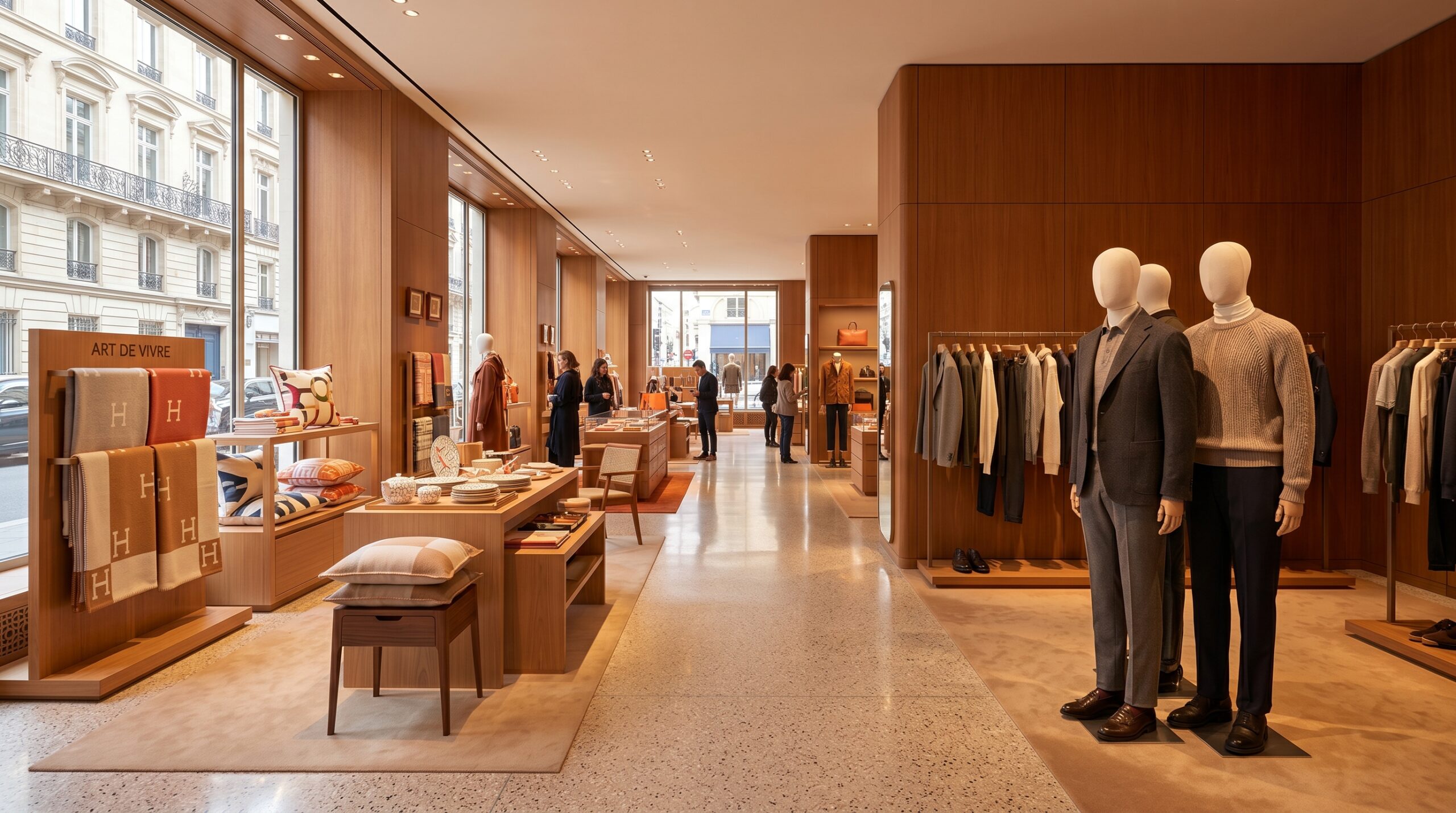
Leather goods—including non-quota bags like the Evelyne, Picotin, or even the Constance—do absolutely nothing to advance your quota bag profile. In fact, purchasing too many small leather goods (SLGs) or non-quota bags can negatively flag your profile, signaling to management that you are cherry-picking high-demand items rather than embracing the broader Hermès lifestyle. To move the needle efficiently, your capital must be deployed in high-margin categories that SAs struggle to sell organically.
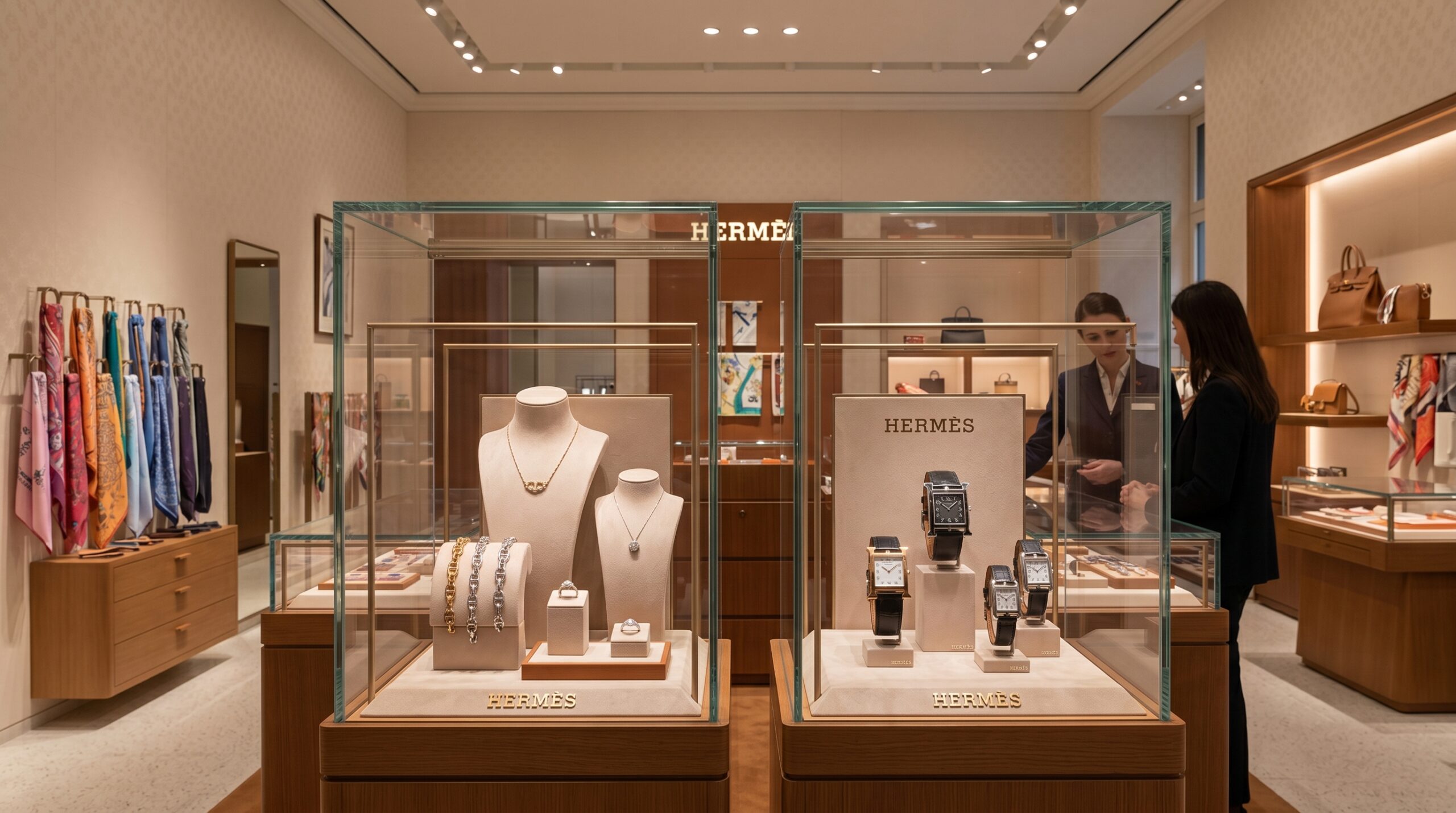
Fine jewelry and watches are the ultimate accelerants. A single $15,000 purchase of a diamond Kelly bracelet carries exponentially more weight than $15,000 spent across thirty pairs of Oran sandals. Ready-to-wear (RTW) and homeware (furniture, tableware) occupy the second highest tier of influence. Because RTW requires fitting, alterations, and multiple boutique visits, it demonstrates deep, long-term commitment. For investors looking to optimize this specific avenue, exploring how pieces interact is crucial; our sister site provides excellent intelligence on how to style and color-match Hermès fine jewelry to ensure these high-dollar purchases retain personal lifestyle value while satisfying your SA's metrics.
- Zero Weight: Leather goods, non-quota bags, small leather accessories.
- Moderate Weight: Shoes, silks, fragrances, standard fashion jewelry.
- Maximum Weight: Fine jewelry, watches, ready-to-wear, and furniture.
Geography and SA Dynamics in 2026
Your strategy must also account for geographic location. The required spend ratio is entirely relative to the wealth concentration of your specific boutique. Competing for a Birkin 25 at the Madison Avenue flagship or Rodeo Drive requires a radically higher financial commitment than establishing a profile at a smaller, regional boutique in the Midwest or a secondary European city.
As detailed in our breakdown of the best Hermès boutique locations, avoiding ultra-competitive "whale" markets is a valid strategy for new investors seeking to keep their spend ratio closer to 1:1. However, smaller boutiques receive fewer total allocations. You may spend less, but your timeline to secure a bag will stretch significantly longer. You are trading capital efficiency for time.
The Paris Exception
The only place on earth where the traditional spend ratio rule is temporarily suspended is Paris. The three Parisian boutiques utilize an appointment lottery system specifically designed to accommodate tourists without extensive local purchase history. However, the statistical probability of securing a leather appointment is incredibly low, and even with an appointment, high-demand assets (like a Craie Kelly 25) are typically reserved for local VIPs. Paris should be viewed as a supplemental lottery ticket, not a reliable cornerstone of your acquisition strategy.
Furthermore, loyalty is binary. Splitting your $20,000 spend across three different boutiques or three different SAs results in a functional spend ratio of zero. You must consolidate 100% of your pre-spend with a single SA to guarantee they have the undeniable metrics required to fight for your allocation behind closed doors.
Executing a Profitable Acquisition Plan
From an investment perspective, the pre-spend required to achieve your quota bag is a sunk cost that directly eats into your final price-to-resale ratio. If you spend $25,000 on items you hate just to secure a $12,000 Birkin that resells for $24,000, your net operation is a financial loss. Therefore, your practical strategy must involve buying items you either genuinely need for your lifestyle or items that maintain their own strong liquidity on the secondary market.
For example, Hermès Avalon blankets and specific tableware pieces hold relatively steady resale value on Fashionphile. If you must build your ratio, channeling capital into these semi-liquid homeware assets is vastly superior to buying obscure seasonal RTW that depreciates by 80% the moment you leave the store. Limit your boutique visits to once every 4 to 6 weeks. Over-visiting without purchasing irritates management, while dropping massive sums in a single day flags you as a flipper.
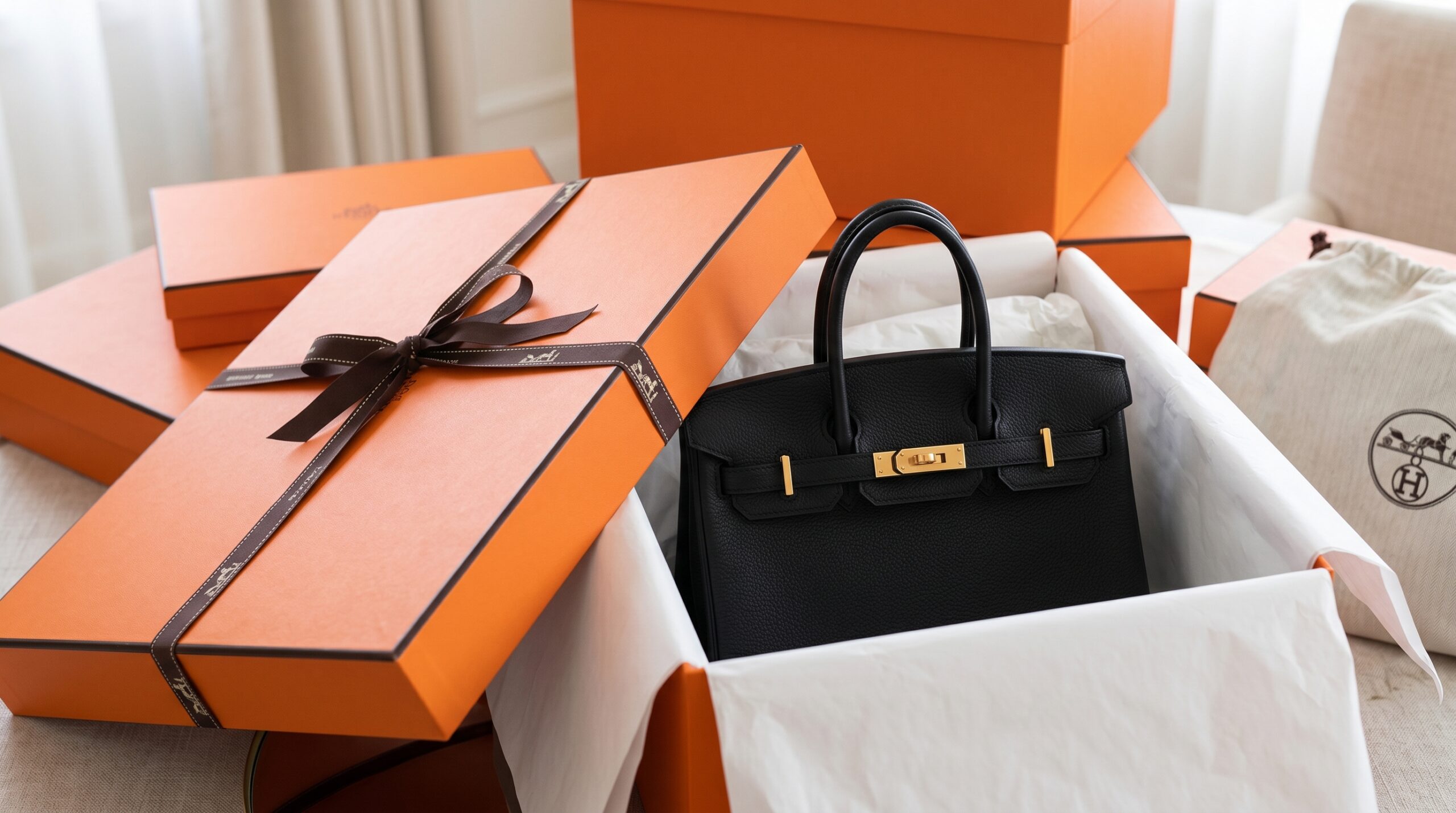
When the offer finally comes, be prepared to enforce your boundaries. If your SA presents a Birkin 35 in a vibrant, contrasting color, and your goal is pure investment retention, you must politely decline. Accepting a poor condition grade or highly illiquid asset simply because you feel "owed" after completing your spend ratio will trap your capital in a depreciating asset.
| Target Asset Profile | Estimated Spend Ratio | Required Pre-Spend (Approx.) | Secondary Market Liquidity |
|---|---|---|---|
| Birkin 30 / Kelly 28 (Standard Colors) | 1.5:1 to 2.0:1 | $18,000 – $25,000 | High Velocity |
| Birkin 25 / Kelly 25 (Neutrals) | 2.0:1 to 2.5:1 | $22,000 – $30,000 | Extremely High |
| Constance 18 (Epsom) | 1.0:1 to 1.5:1 | $9,000 – $13,000 | High (Cash Parking) |
| HSS / Special Order (Rare Combinations) | 3.0:1+ (VIP Only) | $40,000+ | Ultra-High (If universally appealing) |
The Market Insider's Verdict
The boutique relationship is fundamentally a transactional exchange of high-margin retail spend for high-premium secondary assets. Ignorance of department weighting is the fastest way to waste capital. Bottom Line: To optimize your quota bag acquisition in 2026, consolidate 100% of your purchasing power with a single SA, aggressively target fine jewelry and homeware to build your 2:1 ratio efficiently, and strictly refuse allocations that do not align with top-tier resale liquidity.
Popular Searches
Explore our most searched acquisition strategy and market questionsHermès Quota Bag Spend Ratio 2026
What purchase history is actually needed before an SA offer in today's market.
⬆ Rising DemandBest Hermès Boutique Walk-In Strategy
Which regional locations and timing give the best odds of bypassing massive spend requirements.
📈 Strong ResaleHermès SA Commission Structure
How understanding internal boutique incentives helps you secure high-value allocations faster.
◆ Rare OpportunityHow to Get an HSS Hermès Bag
The VIP spend thresholds required to unlock the coveted horseshoe stamp special order.
