
Best Entry-Level Hermès Bags Under $3,000: 2026 Guide
Market Intelligence: Capitalizing on High-Velocity Cash Parking Assets
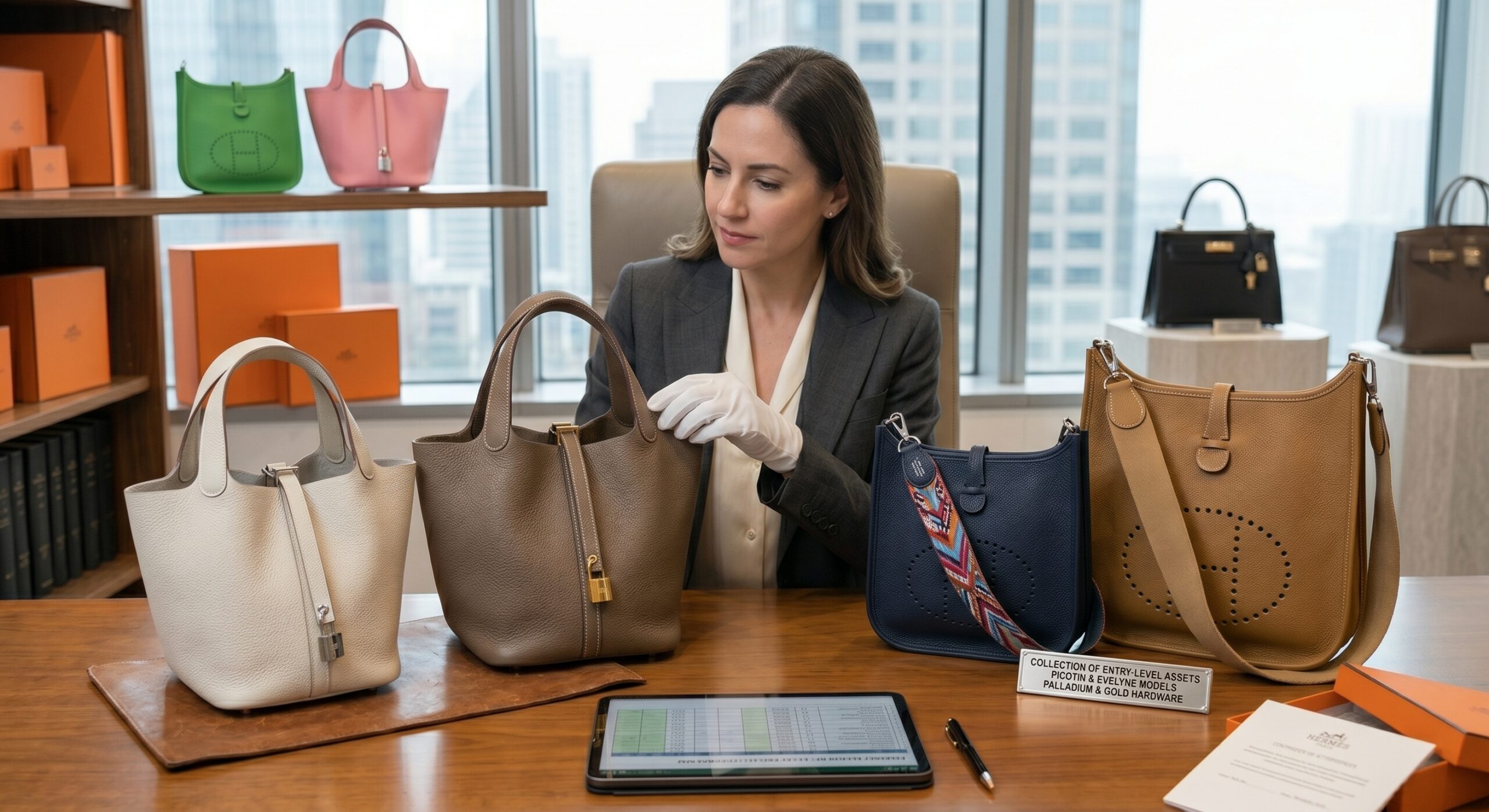
Identifying the best entry-level Hermès bags under $3,000 requires a ruthless shift in investment perspective for the 2026 market. When deploying capital into this specific tier, you must immediately discard the expectations associated with a Birkin or a Kelly. At this price point, you are not acquiring a quota bag, nor are you unlocking a vehicle for massive, explosive capital gains. Instead, the under-$3,000 sector is an exercise in extreme velocity and strategic capital preservation. Assets in this category function as the highly liquid foundation of a luxury portfolio, serving as introductory tools to navigate boutique gatekeeping and build initial rapport with a Sales Associate (SA). However, the secondary market is incredibly punishing to novice buyers who select the wrong silhouettes or colorways in this tier. An incorrect purchase can trigger an immediate 30% to 40% depreciation the moment you leave the store. In this analysis, we deconstruct the exact models that protect your capital, dissect the condition grade vulnerabilities inherent to entry-level leathers, and map out precisely how to leverage these acquisitions on major resale platforms.
$3,000
Maximum Capital Deployment Cap
-10% to -20%
Standard Resale Price Delta
Ultra-High
Liquidity for Size 18 Footprints
Table of Contents
The Foundation of Non-Quota Economics
Before deploying a single dollar, you must understand the financial mechanics governing the entry-level sector. Bags priced under $3,000 at Hermès are exclusively non-quota assets. They are manufactured in higher volumes than Birkins or Kellys, meaning they do not benefit from the extreme, artificial scarcity that generates massive secondary market markups.
Crucially, purchasing an entry-level bag does not mathematically advance your spend ratio for a quota bag allocation. If you buy a $2,900 bag, that capital is essentially nullified in the eyes of the boutique director evaluating your eligibility for a Birkin, as leather goods do not carry the high SA commissions of fine jewelry or ready-to-wear. However, acquiring an entry-level piece is often the mandatory first step to breaking the ice and initiating a formal boutique relationship. It proves to an SA that you are an actual buyer, not a window shopper.
Once you transition an entry-level bag to a resale platform like Vestiaire Collective, The Real Real, or Fashionphile, the rules of engagement shift. Because the retail price is accessible, the secondary buyer pool is massive. This ensures incredibly high liquidity—these bags sell fast. But because supply is also relatively high, the price-to-resale ratio is suppressed. Your goal in this sector is not to double your money; it is to park your cash securely, use the asset, and eventually liquidate it while absorbing the smallest possible negative price delta.
The Picotin 18: The Apex Entry Asset
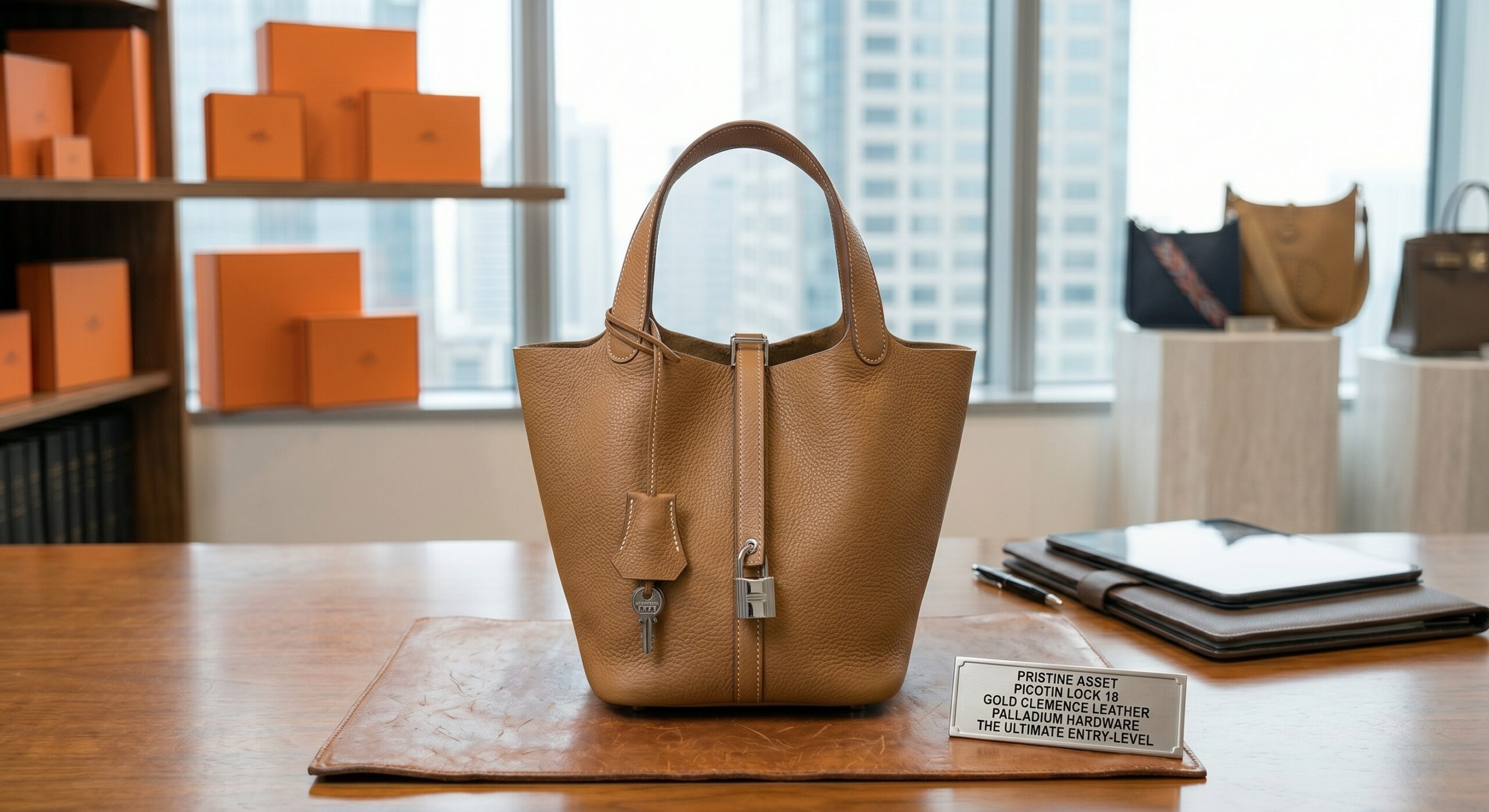
When evaluating the sub-$3,000 category, the Picotin Lock 18 reigns supreme. Designed as a minimalist, unlined bucket bag, it represents the absolute intersection of Hermès craftsmanship and market accessibility. With a 2026 retail baseline hovering around $2,800 to $3,000 depending on the leather and hardware, it sits perfectly at our investment cap.
On the secondary market, the Picotin 18 in a classic neutral (like Gold, Noir, or Etoupe) is fiercely demanded. A Pristine condition piece with full provenance often sells on Fashionphile for approximately 85% to 95% of its retail value. In highly coveted seasonal pastels or rare neutrals, it can occasionally breach a 100% price-to-resale ratio. As we documented in our broader sizing analysis covering which Hermès bag sizes have the highest resale demand, the size 18 footprint is critical. The larger Picotin 22 or 26 suffers severe depreciation because buyers refuse to pay a premium for bulky, unstructured totes.
The Picotin’s primary vulnerability is its structure. Predominantly crafted in soft Clemence leather, it is highly susceptible to slouching and base wear. A Picotin that has lost its upright posture or shows scuffing on the four base studs will instantly drop from a 'Pristine' condition grade to a 'B' rating on Vestiaire Collective. This single downgrade will force the seller to accept a brutal -30% price delta penalty. Therefore, employing a rigid felt insert from day one is non-negotiable for preserving your capital.
- The Picotin 18 offers the strongest capital preservation in the entry-level tier.
- Avoid the Picotin 22 if your goal is strict resale efficiency; the larger size depreciates significantly faster.
- Hardware on the padlock is highly vulnerable to micro-scratches; protect it to defend your condition grade.
The Evelyne TPM and Casual Liquidity
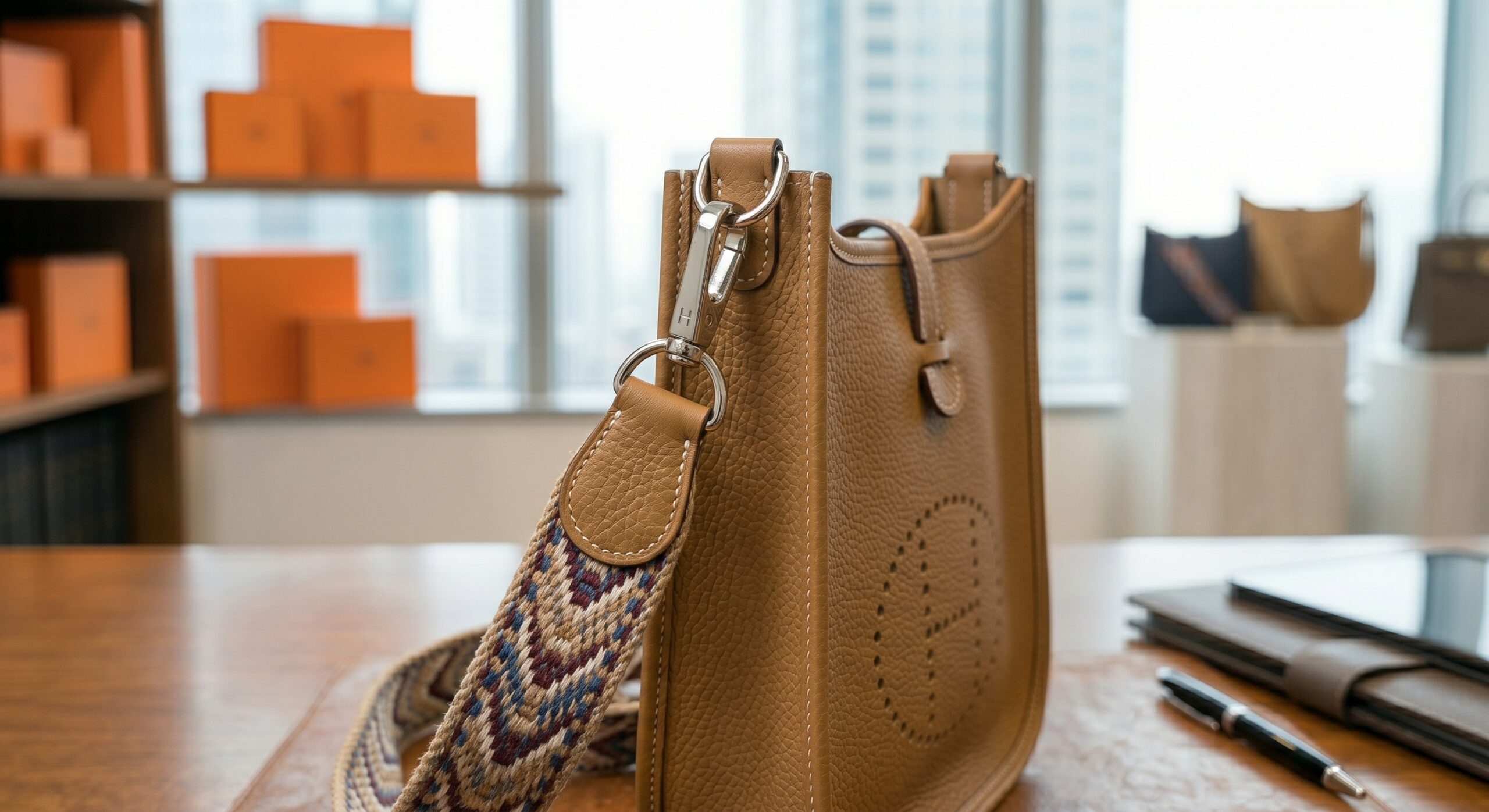
The second pillar of the entry-level portfolio is the Evelyne TPM (Tres Petit Modele), also known as the Mini Evelyne. Retailing well under the $3,000 mark (typically around $2,000 to $2,200), the Evelyne TPM is the most accessible full-leather Hermès bag available. For a deeper comparative analysis on how these two entry titans trade on the open market, refer to our Evelyne vs Picotin market liquidity guide.
The Evelyne TPM's superpower is its extreme velocity. Because of its low retail entry point, it functions as an impulse purchase on resale platforms. A Pristine Evelyne TPM in a highly desired colorway will turn over on 1stDibs or The Real Real in less than 48 hours. However, the price delta is tightly capped. You will rarely, if ever, see a positive return on an Evelyne TPM after consignment fees are deducted. It is a depreciating asset, but one that depreciates very slowly if maintained correctly.
The Strap Friction Liability
The Evelyne’s greatest threat to its condition grade is its canvas crossbody strap. The hardware clasps on the strap rub continuously against the leather mounting points on the bag, causing immediate friction wear. Furthermore, the canvas strap itself is prone to pilling and staining. A buyer assessing an Evelyne TPM will heavily scrutinize the strap; if it shows significant wear, the bag's price-to-resale ratio plummets. To maximize your investment return, the bag must be worn sparingly or the strap must be protected.
When selecting colors for these entry-level pieces, the strategy shifts slightly from quota bags. While neutrals are always safe, the lower price point allows buyers to experiment. Bright, "pop" colors often perform surprisingly well on the Evelyne TPM. For insight into maximizing visual appeal without sacrificing liquidity, our sister site explores the color strategies for entry-level Hermès acquisitions.
Practical Acquisition and Resale Strategy
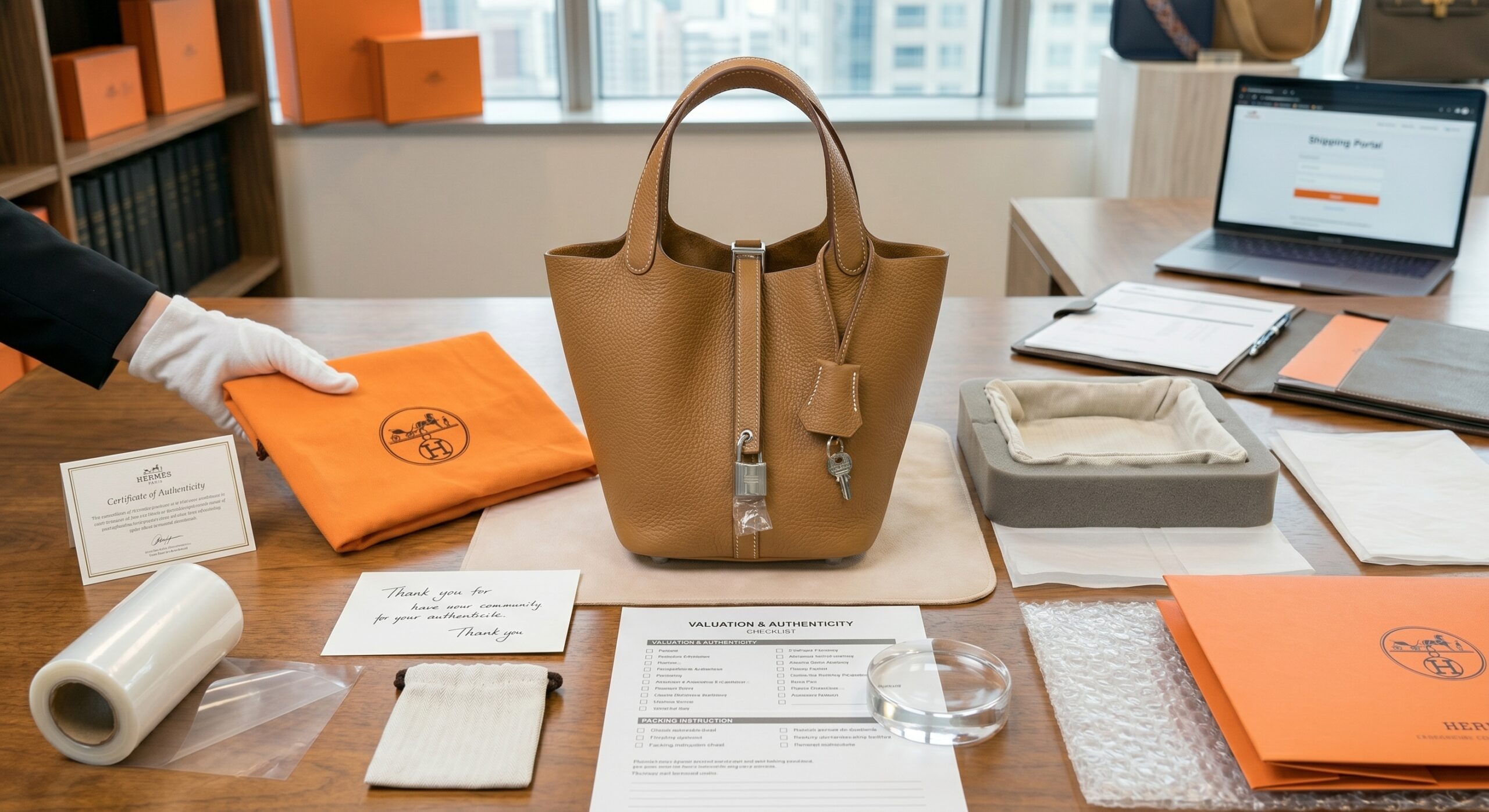
Acquiring an entry-level bag at the boutique requires patience, but not the financial exhaustion of a quota bag spend ratio. While the informal wait list still applies—SAs heavily gatekeep the Picotin 18—you can secure one by consistently demonstrating interest and making minor, tasteful purchases in other departments. Do not, under any circumstances, pay a 20% to 30% markup on a resale platform for an Evelyne or a Picotin if you have a local boutique. These bags are attainable at retail if you are willing to invest three to six months in a boutique relationship.
When it is time to liquidate, timing is essential. Because Hermès consistently raises retail prices every January—a dynamic we track exhaustively in our price increase history analysis—holding your entry-level asset through the Q1 hike can artificially boost your resale floor. The secondary market instantly adjusts its algorithms upward following a retail hike, allowing you to claw back a few percentage points of your initial investment.
Finally, avoid entry-level traps like the Herbag or the Aline Mini if strict financial preservation is your goal. The Herbag is predominantly canvas (Toile), which stains irreparably and commands a terrible price-to-resale ratio on the secondary market. Stick exclusively to full-leather models in size 18 to guarantee your capital remains fluid and protected.
| Entry-Level Model | Estimated Retail (2026) | Avg. Resale Price Delta | Secondary Market Liquidity |
|---|---|---|---|
| Picotin Lock 18 (Clemence) | ~$2,900 - $3,000 | -5% to -15% (High Preservation) | Extremely High |
| Evelyne TPM (Clemence) | ~$2,000 - $2,200 | -10% to -20% | Ultra-High (Immediate Velocity) |
| Aline Mini (Swift) | ~$2,100 | -25% to -35% | Moderate |
| Herbag Zip 31 (Toile/Hunter) | ~$2,800 | -30% to -50% (Canvas Depreciation) | Low to Moderate |
The Market Insider's Verdict
Entry-level Hermès bags are not lottery tickets; they are strategic financial anchors designed for utility and rapid capital recapture. Straying from the proven silhouettes into canvas or oversized models is a guaranteed method of destroying your liquidity. Bottom Line: If your budget is strictly capped at $3,000, your sole acquisition targets must be the Picotin 18 or the Evelyne TPM in full leather. Secure them at the boutique to avoid reseller markups, guard their condition grades with inserts, and utilize them as highly liquid cash-parking assets within your broader portfolio.
Popular Searches
Explore our most searched entry-level investment questionsPicotin 18 vs Evelyne TPM Resale Value
Tracking the definitive price deltas between the two most accessible Hermès leather goods.
📈 Strong ResaleWhy Picotin 22 Loses Value Faster
Analyzing the severe financial penalty applied to oversized, unstructured bucket bags.
⬆ Rising DemandDoes Buying a Picotin Help Get a Birkin
Understanding how entry-level purchases manipulate your boutique relationship and SA leverage.
★ Collector FavouriteHermès Herbag Resale Price Drop
Why canvas assets suffer catastrophic condition grade failures and plummeting price-to-resale ratios.
